Launch coincides with first anniversary of Celebration Key and builds on company’s ongoing investments in Bahamian communities

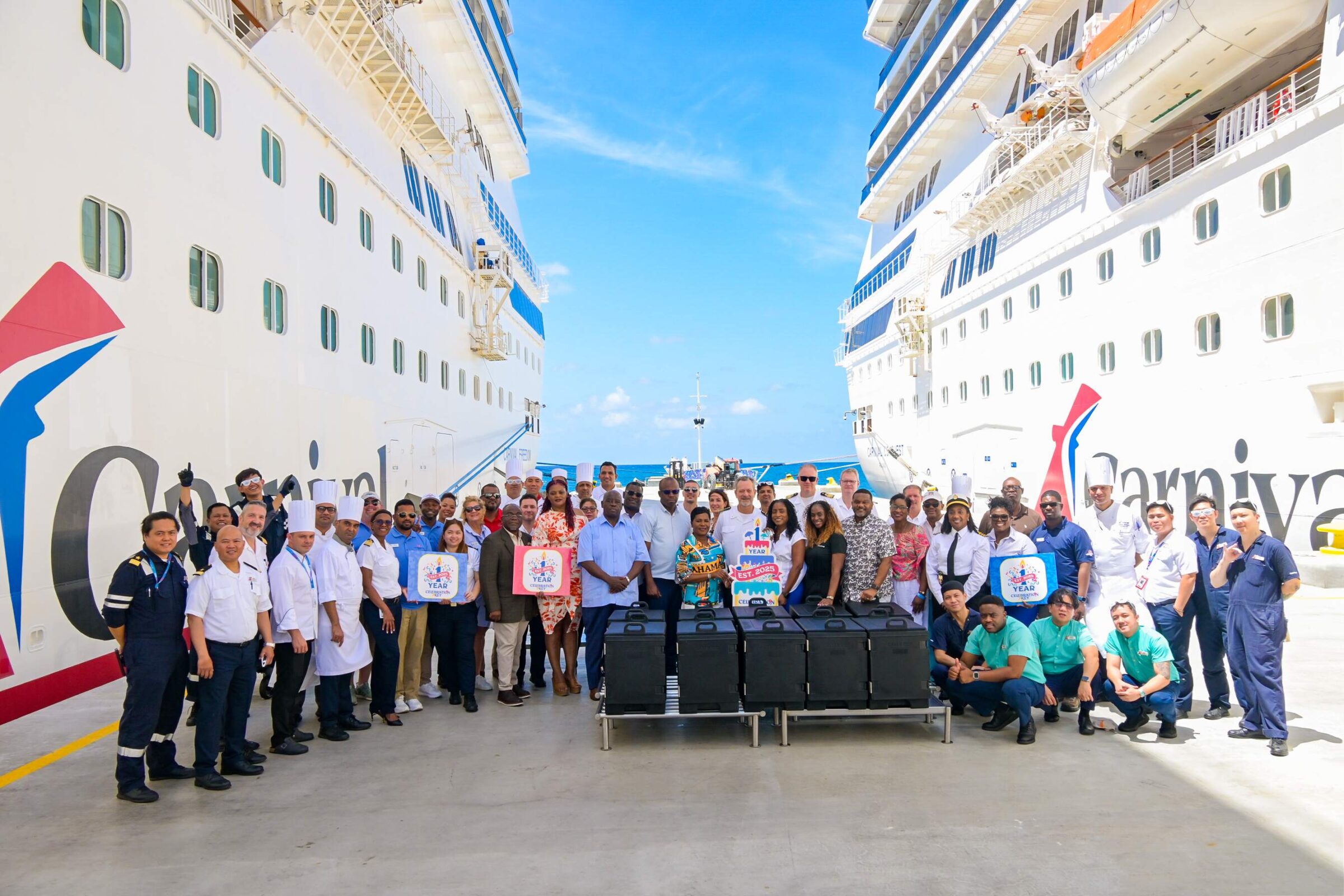
One year after celebrating the grand opening of Celebration Key on Grand Bahama Island, Carnival Corporation (NYSE:CCL), the world’s largest cruise company, has another reason to celebrate, today launching its surplus meal donation program in The Bahamas. The expansion into The Bahamas marks another step in the company’s ongoing efforts to redirect surplus food through partnerships that create meaningful community impact around the world.
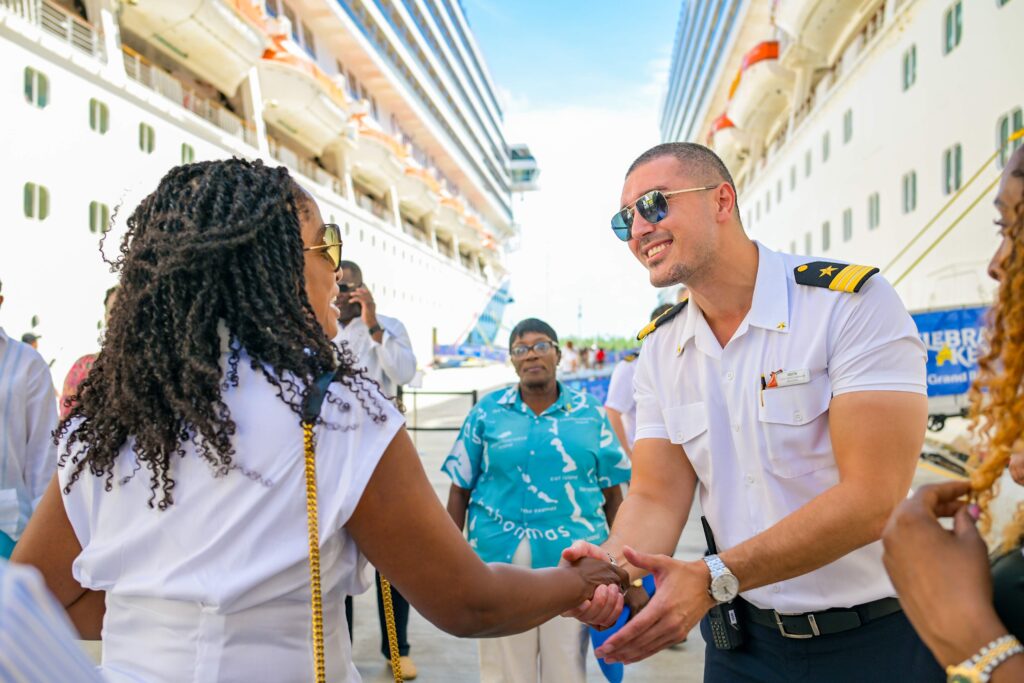
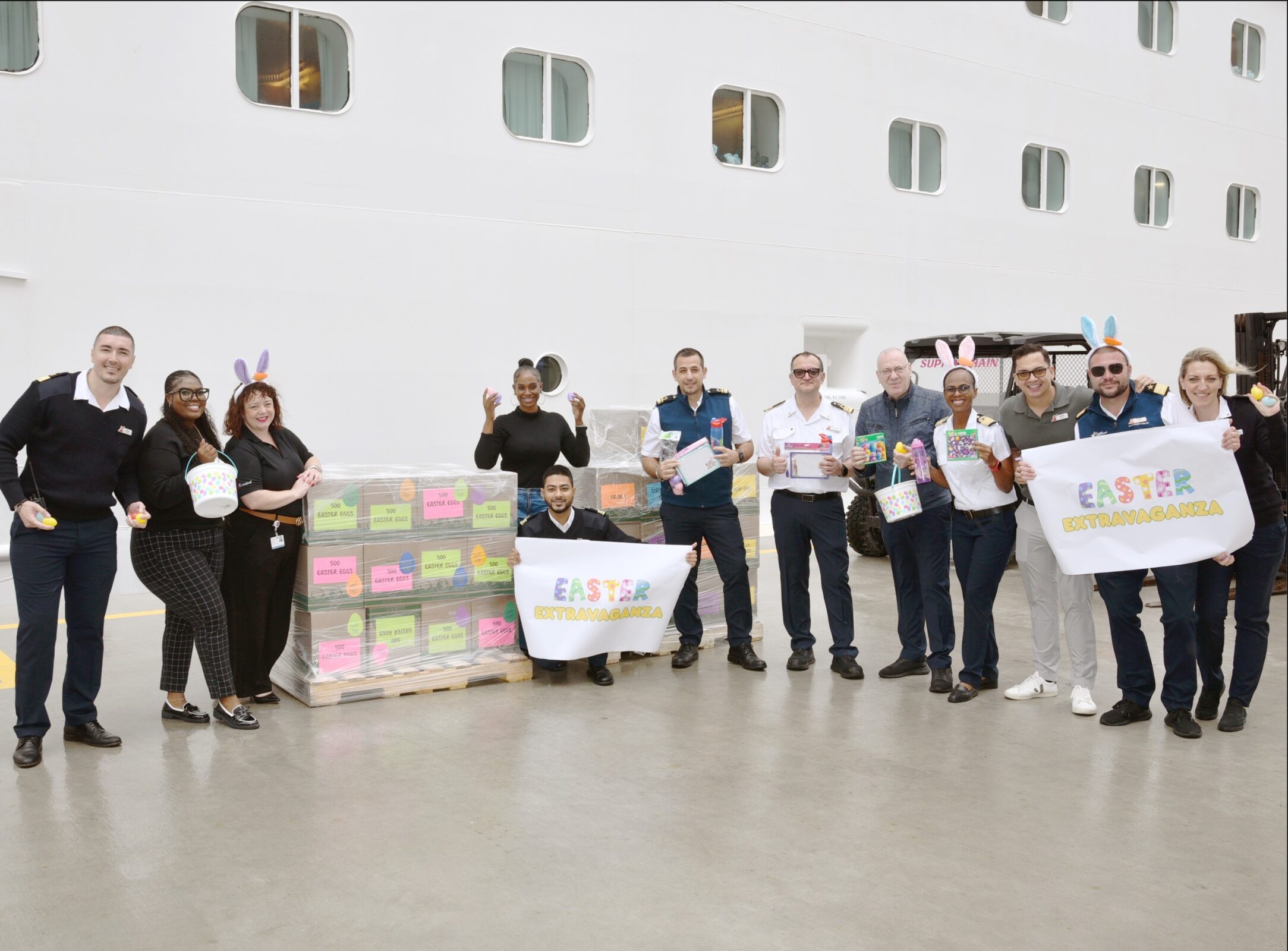
As part of Carnival Corporation’s Less Left Over food waste reduction strategy, the program’s first donation in The Bahamas was offloaded from Carnival Freedom and Carnival Conquest, where more than 318 pounds of prepared, unserved meals were safely redirected to the Grand Bahama Children’s Home, as well as to the Urban Renewal Authority, for distribution within the local community. The meals were collected, rapidly chilled, stored and transferred ashore using established food safety protocols and in compliance with local regulatory requirements. This milestone establishes a framework for future donations from ships and deepens the company’s expanding network of partners across the region.

“This expansion in The Bahamas is really about the strength of the partnerships we’ve built across the Caribbean,” said Marie McKenzie, senior vice president, government and destination affairs. “Working alongside government leaders and community organizations, we’re able to connect what happens on board our ships with real needs on shore – creating a simple, reliable way to get high-quality surplus meals to people who can benefit from them. It’s a shared effort that reflects what we can accomplish together.”
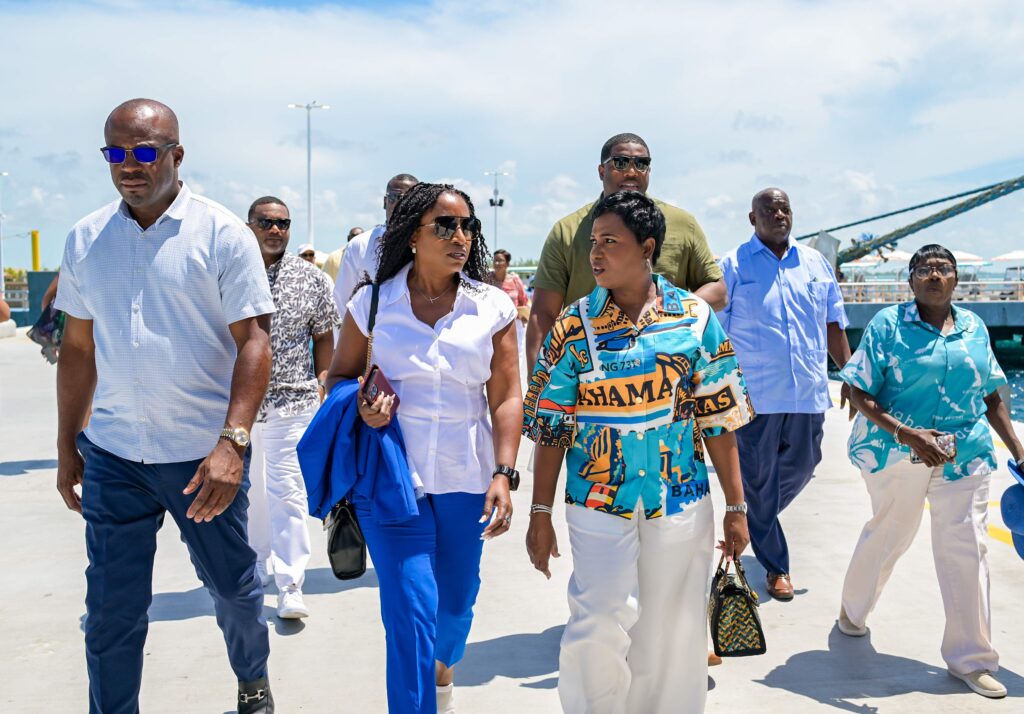
“The Bahamas has long benefited from strong partnerships that create meaningful opportunities for our people and communities,” said Minister for Grand Bahama, The Honourable Ginger Moxey M.P. “This initiative reflects a shared commitment to addressing real needs in a practical way, ensuring that quality meals can reach those who need them most. We welcome this expansion and appreciate Carnival Corporation’s efforts to support communities throughout The Bahamas.”
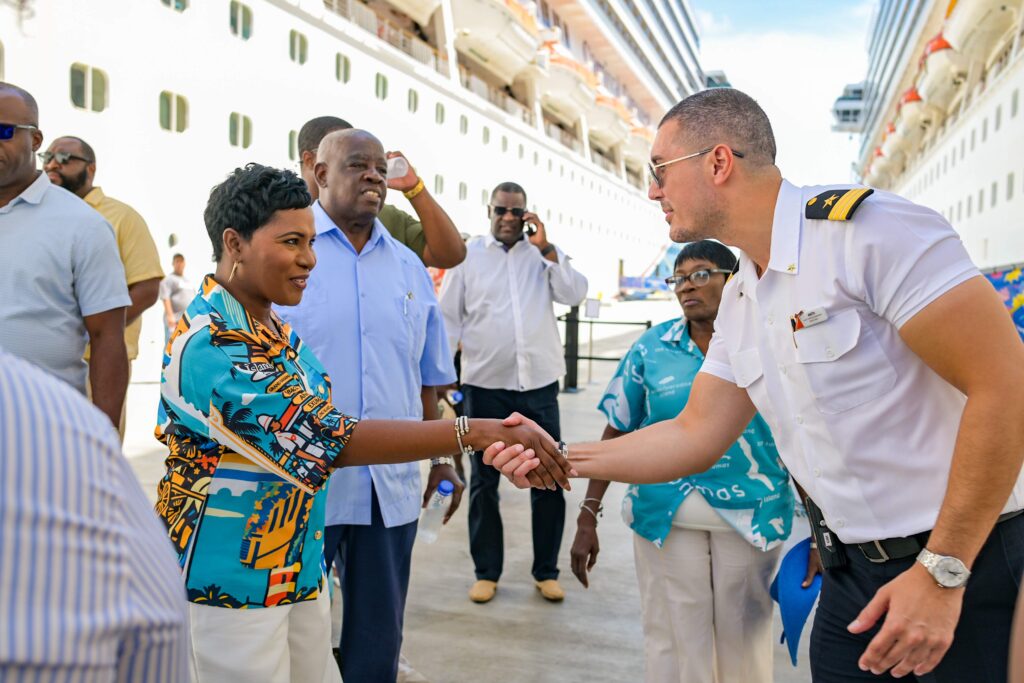
The launch reflects Carnival Corporation’s broader commitment to The Bahamas, where its investments, operations and community partnerships extend well beyond tourism. The company’s exclusive destinations include Celebration Key on Grand Bahama and RelaxAway, Half Moon Cay, both part of Carnival Cruise Line’s Paradise Collection.

Beyond its destinations, Carnival Corporation supports communities across The Bahamas through ongoing ship donation and volunteer efforts. Since late 2025, the company has completed more than 20 ship donations across Nassau, Grand Bahama and Eleuthera, redirecting furniture, clothing, bicycles and other household goods from Carnival Cruise Line vessels to local families, schools, community centers and charitable organizations. Recipient organizations span sectors critical to community wellbeing, including disaster relief, youth development, education, healthcare and social services, with a total of 19 organizations benefiting from these donations across The Bahamas.

The surplus meal donation initiative is a key component of Carnival Corporation’s Less Left Over strategy, which focuses on reducing food waste across its operations while creating meaningful community impact. By safely redirecting high-quality surplus meals, the initiative helps address both environmental and social challenges – minimizing waste while providing support to those in need. The effort is supported by carefully managed onboard processes and local partnerships that ensure meals can be redistributed safely and effectively within the community.

Since its launch in 2017, the program has expanded to 20 ports around the world, helping address food insecurity in port communities where the company’s ships visit. The addition of The Bahamas continues the company’s momentum in scaling the model across Latin America and the Caribbean, following recent launches in Roatan, Honduras and the Dominican Republic. As of year-end 2025, the program has provided more than 320,000 meal portions globally.

Weekly repurpose of nearly 3,000 pounds of spent coffee grounds from cruise ship to soil marks new chapter in circular sustainability

May 2026 – Carnival Cruise Line and Celebration Key have launched a community sustainability initiative that transforms used coffee grounds from the cruise ship Mardi Gras into natural fertilizer for Grand Bahama’s soil — repurposing around 2,800 pounds of organic material every week.

The Community Coffee Grounds Initiative, a collaboration with Grand Bahama company ATO Landscaping, collects spent grounds from Mardi Gras, transfers them ashore, and incorporates them into composting and fertilizer programmes supporting Celebration Key’s extensive landscaping – with a focus on native palms and trees. Coffee grounds are rich in nitrogen, potassium, and phosphorus, improving soil structure, enhancing water retention, and stimulating beneficial microbial activity.

Garelle Hudson, Health, Environment, Safety and Sustainability (HESS) Manager for Celebration Key, described the initiative as an expression of Carnival’s broader philosophy.

“At Carnival, sustainability is not a tagline – it is a commitment embedded in how we operate every day,” Hudson said. “Every day on our ships, thousands of cups of coffee are enjoyed by our guests and crew. What’s left behind are not waste to us. They are the beginning of a circular story”.

Hudson summarised that vision in simple terms: “From ship… to shore… to soil… and back into life.”

Beyond its environmental impact, the initiative is designed to engage the next generation. Students from participating eco-schools will have the opportunity to contribute directly to the programme, gaining hands-on experience in sustainability practices and material lifecycle management.

“This programme opens the door for meaningful community service opportunities for students,” Hudson said. “These are lessons that extend far beyond today — they shape future leaders, innovators, and stewards of our environment.”

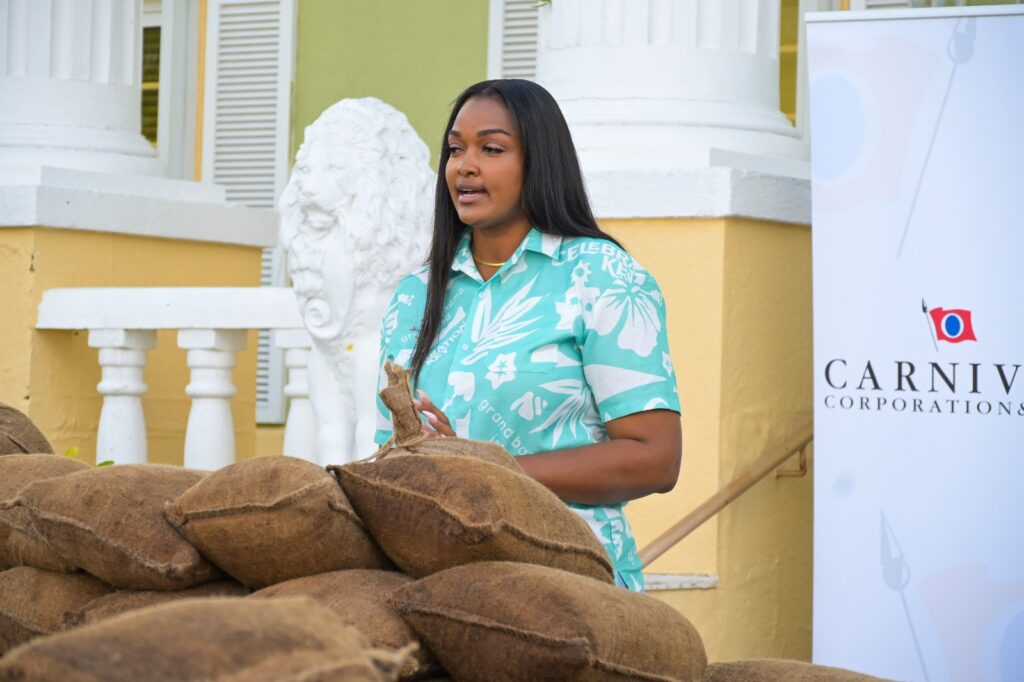
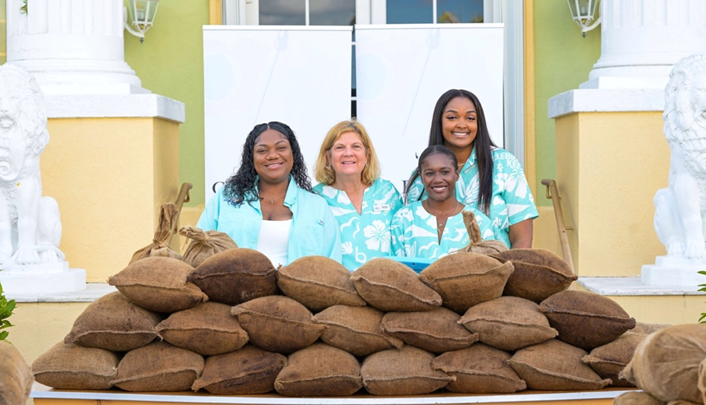
The Initiative, launched at the beginning of the year, was formally introduced to community partners at a recent press conference at Millennium House, Celebration Key’s headquarters in downtown Freeport. The event brought together government representatives, eco-schools, agricultural partners, and environmental organisations united around a shared commitment to sustainability.

Local entities taking part in the initiative include: Lucayan International School, Bishop Michael Eldon School, Jack Hayward Senior High School, Mary Star of the Sea School, The Beacon School, Island Manna Farms, Waterkeepers Bahamas, Berkshire Bahamas Farms, Green Shed, and Grand Bahama Backyard Farmers.

The initiative is designed as an ongoing programme, with Celebration Key inviting continued collaboration with Eco-Schools and community partners across Grand Bahama.

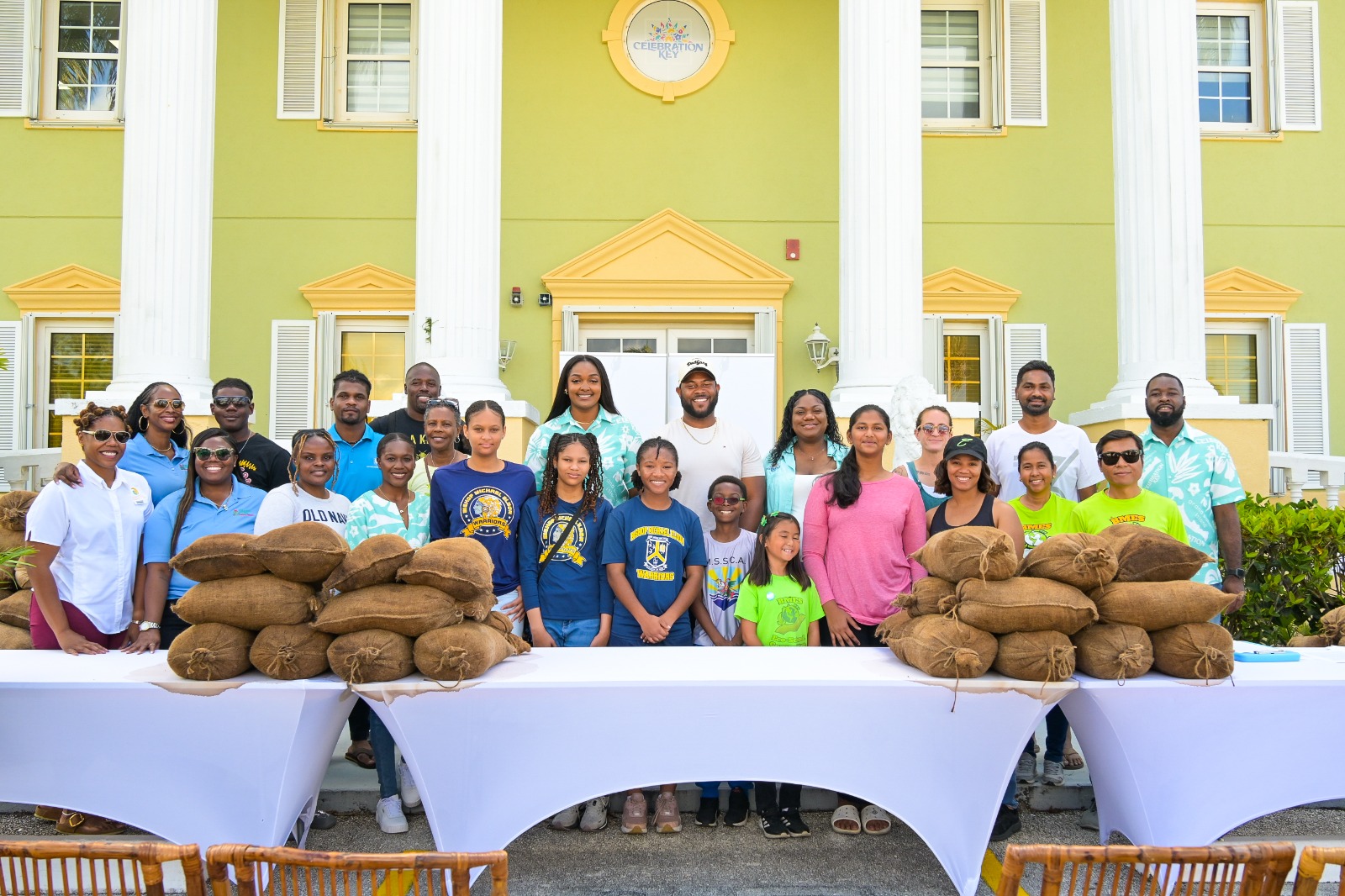
L-R: Liyah Forbes, Environmental Lead, Amanda Felts, General Manager, Malea Fernander, Public Health Officer Garelle Hudson, HESS Manager.

Sustainability and local impact are the focus as more than 20 donations of furniture, clothing, bicycles and household goods redirected from vessels go to civic organizations in Nassau, Grand Bahama and Eleuthera

April 2026 – When a cruise ship enters dry dock for a scheduled refit, the items being replaced could simply be discarded. Carnival Cruise Line has chosen a different path.

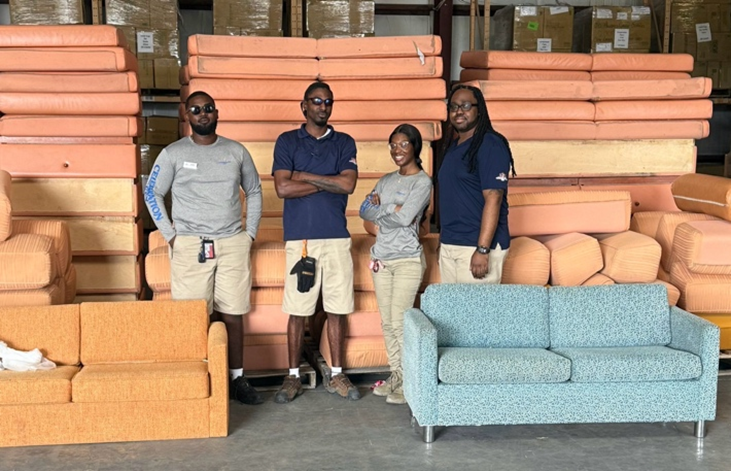
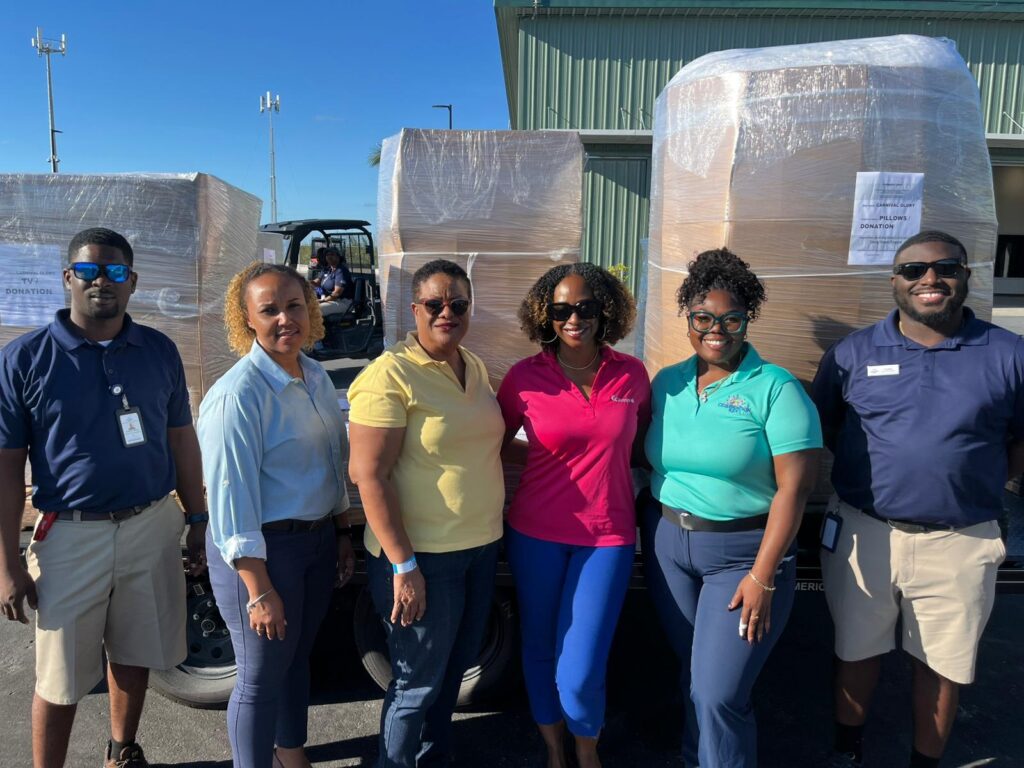
Since November 2025, Carnival has completed more than 20 donations across Nassau, Grand Bahama and Eleuthera, channelling hundreds of items from vessels undergoing upgrades directly into the hands of Bahamian families, schools, community centers and charitable organizations.

The range of items donated reflects the breadth of a working cruise ship’s inventory. Across the initiative, Carnival vessels have contributed a range of furniture, clothing and household goods.

The scale and pace of some donations has required rapid mobilization. One contribution from Carnival Conquest during dry dock saw Carnival’s teams coordinate the offloading of over 240 pieces of furniture within a single day, working alongside local partners to ensure nothing went to waste.

On Grand Bahama, beneficiaries included organizations supporting disaster relief, youth development, education, healthcare and community services. In Nassau and Eleuthera, donations also supported youth development, education and community-focused organizations.

“Every donation starts with a conversation between our team and the ships,” said Linarbet Toledo-Garcia, environmental services manager, Carnival Cruise Line. “We work closely with the vessels to identify items that can be redirected – whether during a refit or between sailings – and then coordinate with the public affairs team to make the handover happens. It is a genuinely collaborative effort, and seeing those items reach families and organizations in The Bahamas makes it worthwhile.”

“Community partnerships are what make initiatives like this possible,” said Philcher Grant, director of public affairs and community engagement, The Bahamas & Turks and Caicos Islands, Carnival Cruise Line. “From regulatory approvals to logistics on the ground, every donation requires trust and collaboration: between our teams, Customs, logistics partners and the organizations doing the real work of distribution. What we are building here is not a one-off gesture. It is a model.”

Behind each donation is a process that requires meaningful coordination. Carnival’s environmental operations and public affairs teams work with the ships to identify items becoming available during refits, assess their condition and suitability for donation, and initiate the approvals process. This includes securing sign-off from Carnival Corporation’s global ethics & compliance function, working with Bahamian Customs on duty and VAT waivers, and coordinating logistics for offloading and delivery. Carnival extends its sincere thanks to the ships and its environmental operations team whose efforts make this program possible.

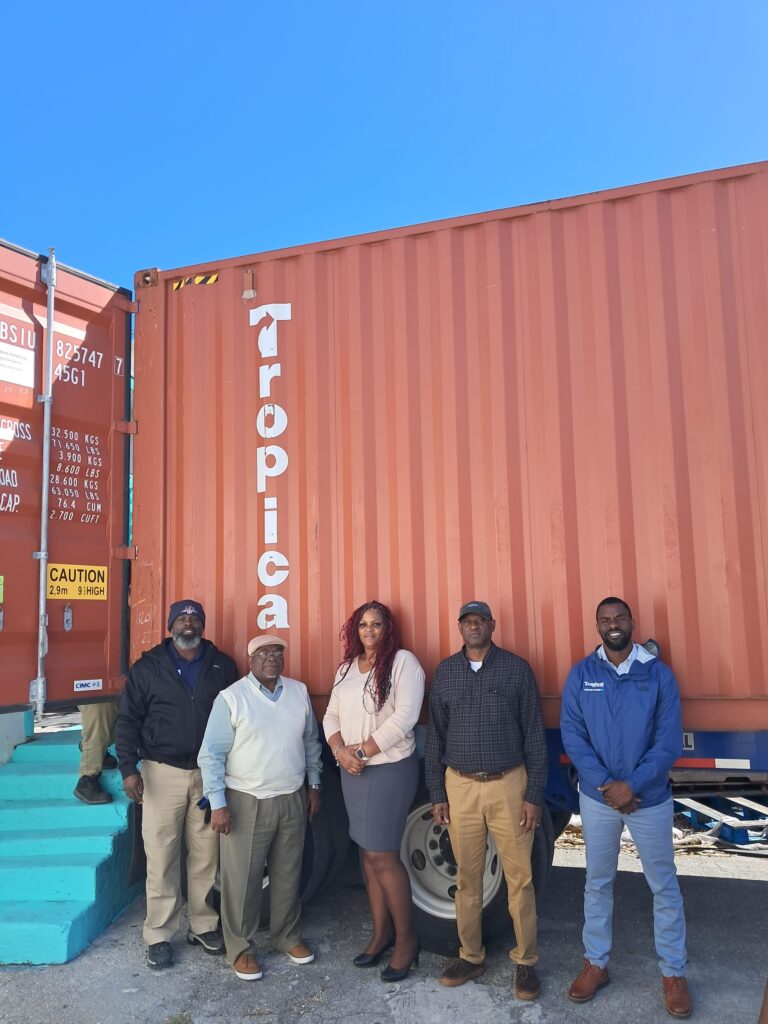
Local shipping firm Tropical Shipping has played a key role in enabling the logistics of some larger donations, contributing container capacity that made rapid, large-scale transfers possible. Recipient organizations have in several cases taken responsibility for wider distribution into their surrounding communities, extending the reach of each donation well beyond the initial handover.

“Giving back to the destinations that welcome us is not a one-time gesture — it’s an ongoing commitment,” Grant said. “For more than 50 years, The Bahamas has been a cornerstone of Carnival’s story. These donations are one expression of what that relationship means to us in practice.”